

AESTHETIC SERIES No. 3 / Concept on a plate: how do food aesthetics actually work?
The construction of identity though food and film defines the foundation of P&R. In shaping cultural identity, cuisine is the keeper of heritage through its family recipes and traditions, and unique ingredients. Cuisine acts as an identity maker when these traditions are passed down from one generation to the next and still connected to a shared community. In this interplay, plating, color, complex flavors, and stimulating aromas bring out food’s aesthetic side and the Chef’s art form—hence The Plate as identity maker and aesthetic influencer in P&R.
A Lifestyle of Travel: ultimately, travel gives us a sense of place, identity, and a way to experience exchanges with cultures while helping to generate new ideas and add new stories to fit into our life narratives. To be sure travel also plays a big part in food.
In Valter of Salt Lake City, travel is key to the many dishes Valter created. In chapter 10, “Flavor: It’s a very serious matter,” for example, he describes his time in Nairobi by talking about a new recipe he created through the ingredients he discovered and adapted to his aesthetic sense of the plate. As he says, “Many years ago, in Nairobi I prepared an incredible lobster—just plain water, a drop of tamarind, laurel, and chopped yellow onions…cooked until limp,” pureed with orange juice. What he was most excited about was the combination of oranges, tamarind (indigenous to Africa), and fresh lobster. This discovery is inextricably tied to his creative culinary talent and his experience there as a young man identified by the culinary business. For preparation details, see Valter of Salt Lake City p.128, #07, “The Lobster and Tamarind with Orange Juice Sauce.”
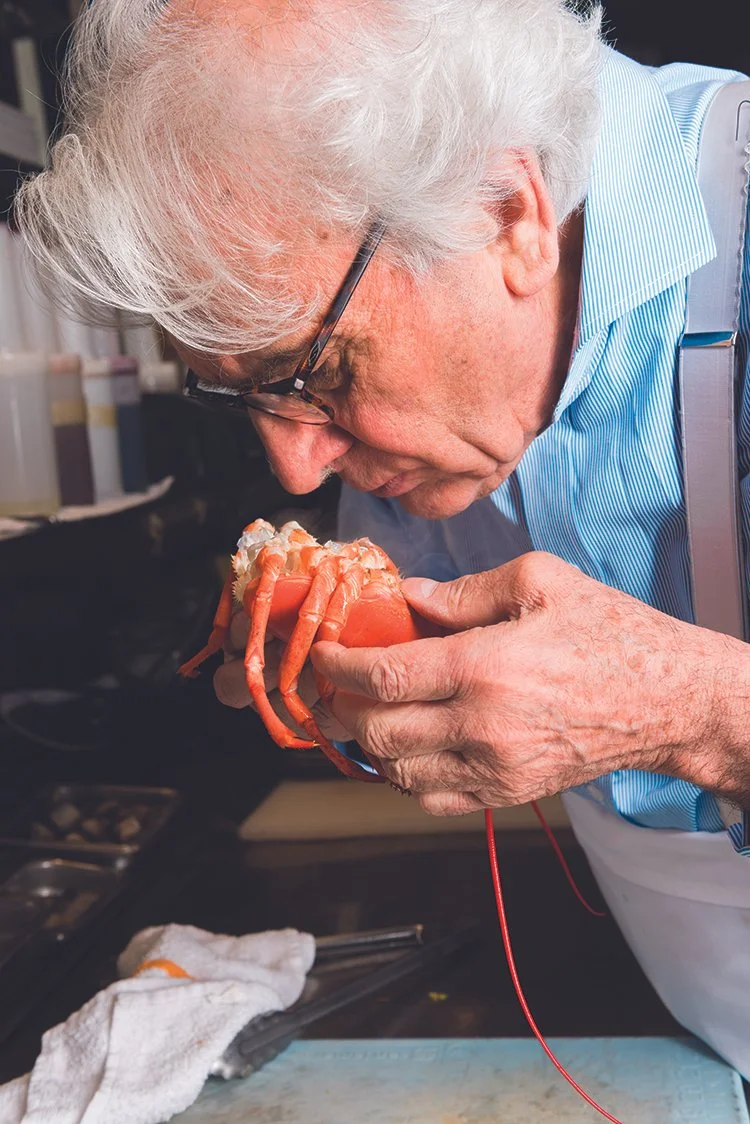
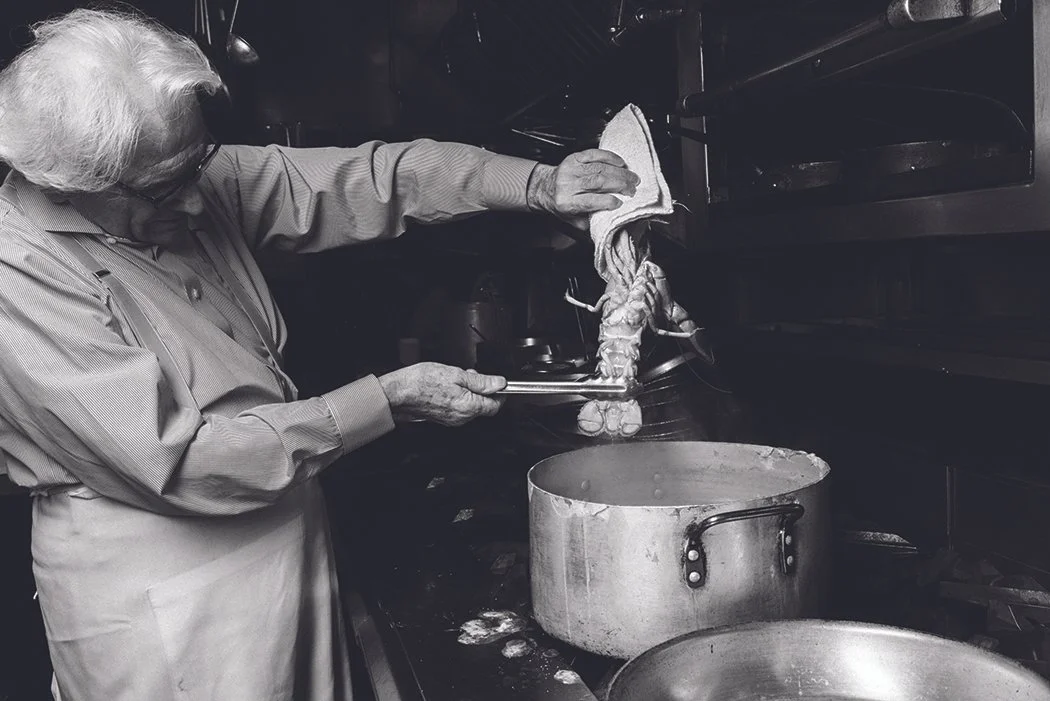
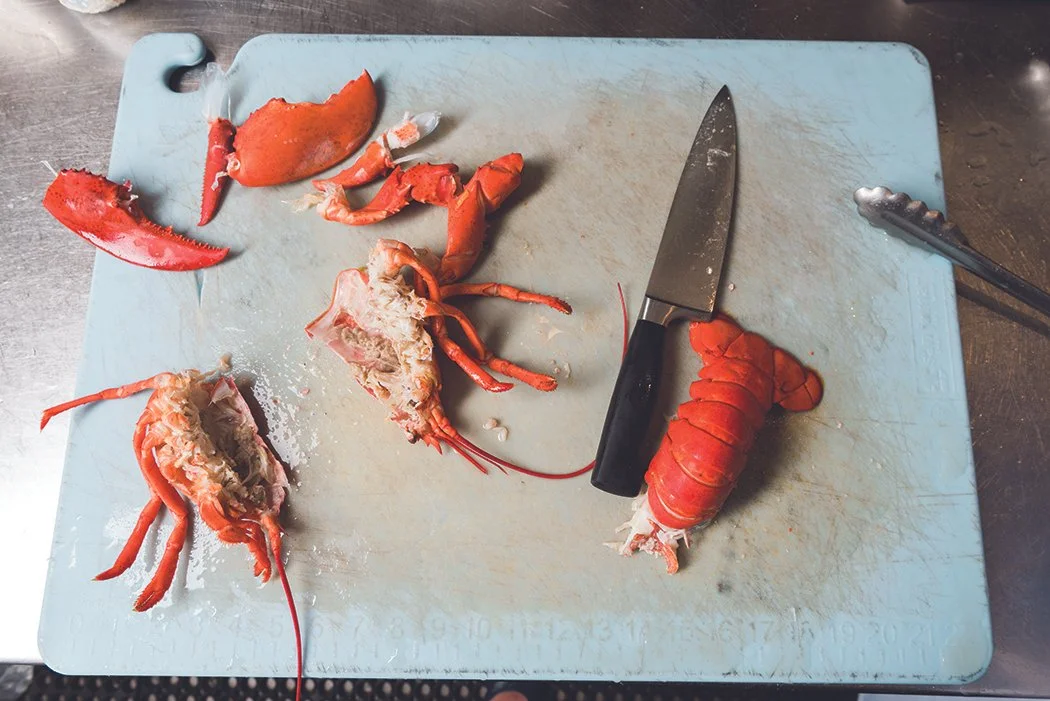
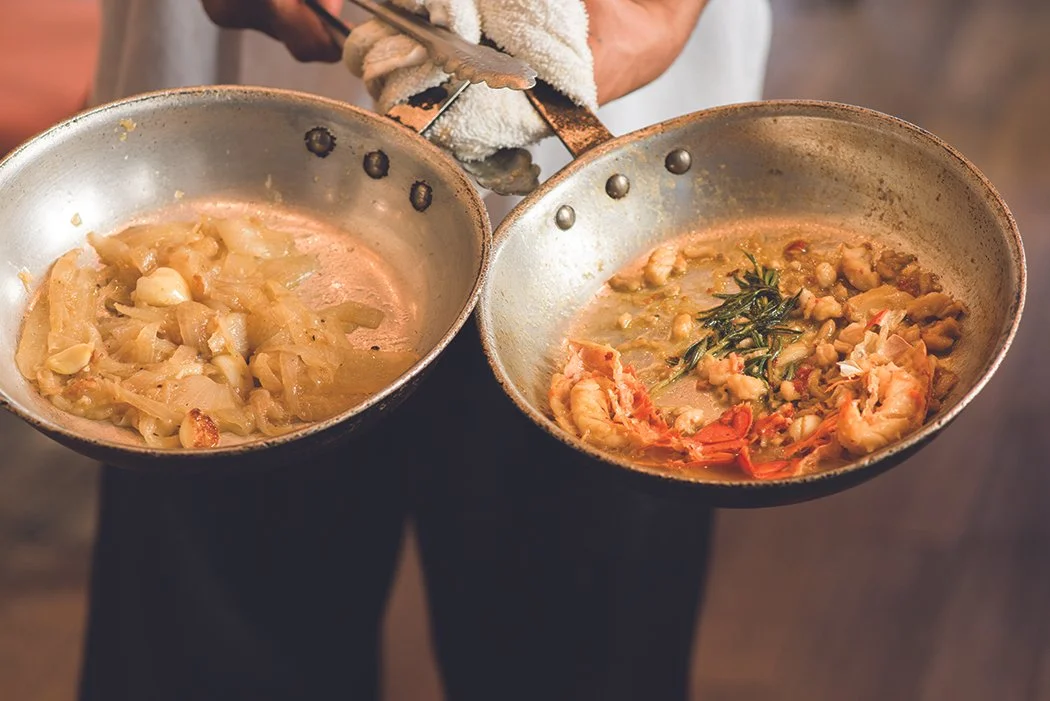
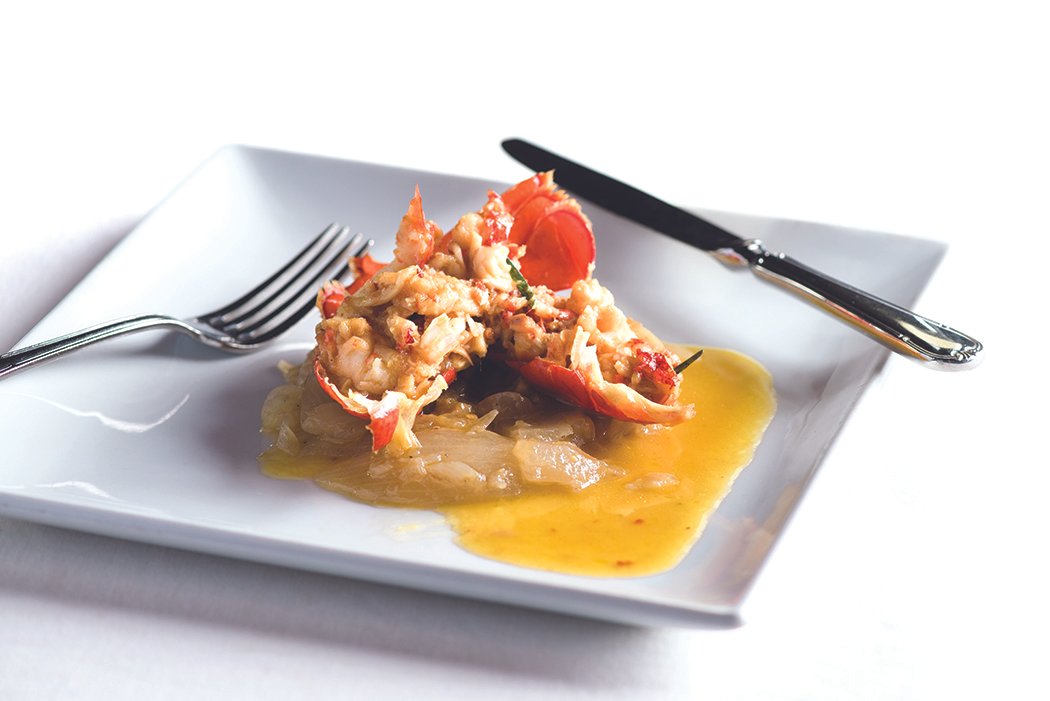
Food became a part of his identity when he was a ten year old boy watching his mother prepare traditional Italian dishes while he peeked out from the door to his bedroom, as he recalls in the memoir section of his book. This curiosity grew into a lifetime of combining traditional Tuscan with personalized food creations on a daily basis.
As a restaurateur with his own place in Salt Lake City, the business of the day routinely began ‘in the moment,’ at the market, to see what was available. His ingredients had to be fresh, delicate, striking in color, rich in texture, and ambrosial in flavor. Peaches in their moment and the anticipation of waiting for the harvest to hold that beauty in his hands were exceptionally invigorating. He particularly enjoyed the growing season in Utah, often lasting 6 months. Cooking with fresh, local produce during the growing season was “contagious and profound” for Valter. Valter P. 262
After finalizing the ingredients, Valter started his creations by sketching the entree’s concept on the plate, showing how the food arrangement will appear, how it will be organized, what its color will be, how the flavors accent the ingredients and how the ingredients speak to each other. It could be yellow beets, avocado, zucchini, and shrimp on top. He then presents the drawing to the chef who looks at the entire design, takes the concept to the kitchen and produces’s that night’s canvas. Each plate will show a simple elegance in the arrangement and proportions that showcase the originality of his cuisine. The composition of the plate must have the power to transform the night for his guests at the restaurant.
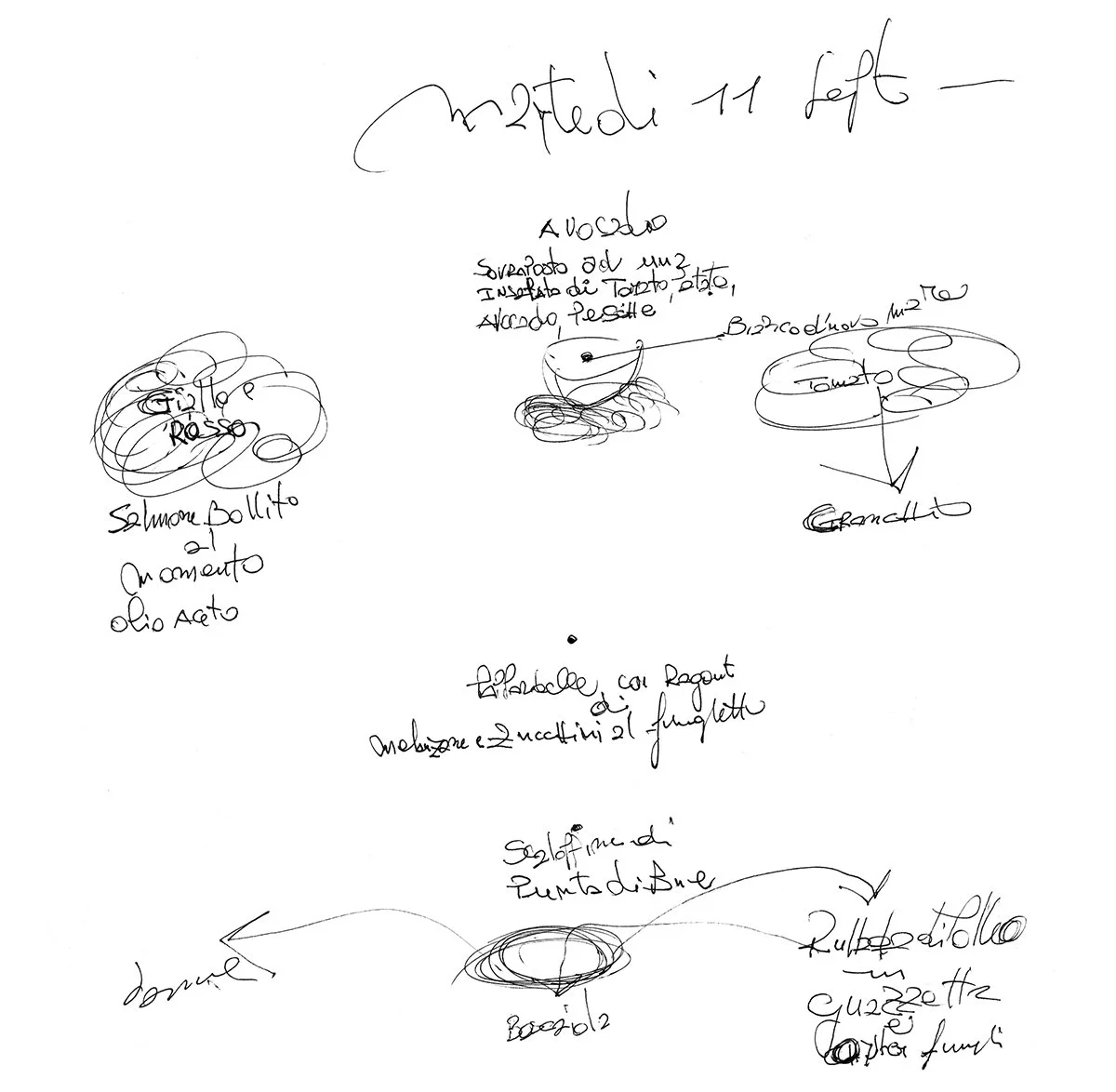
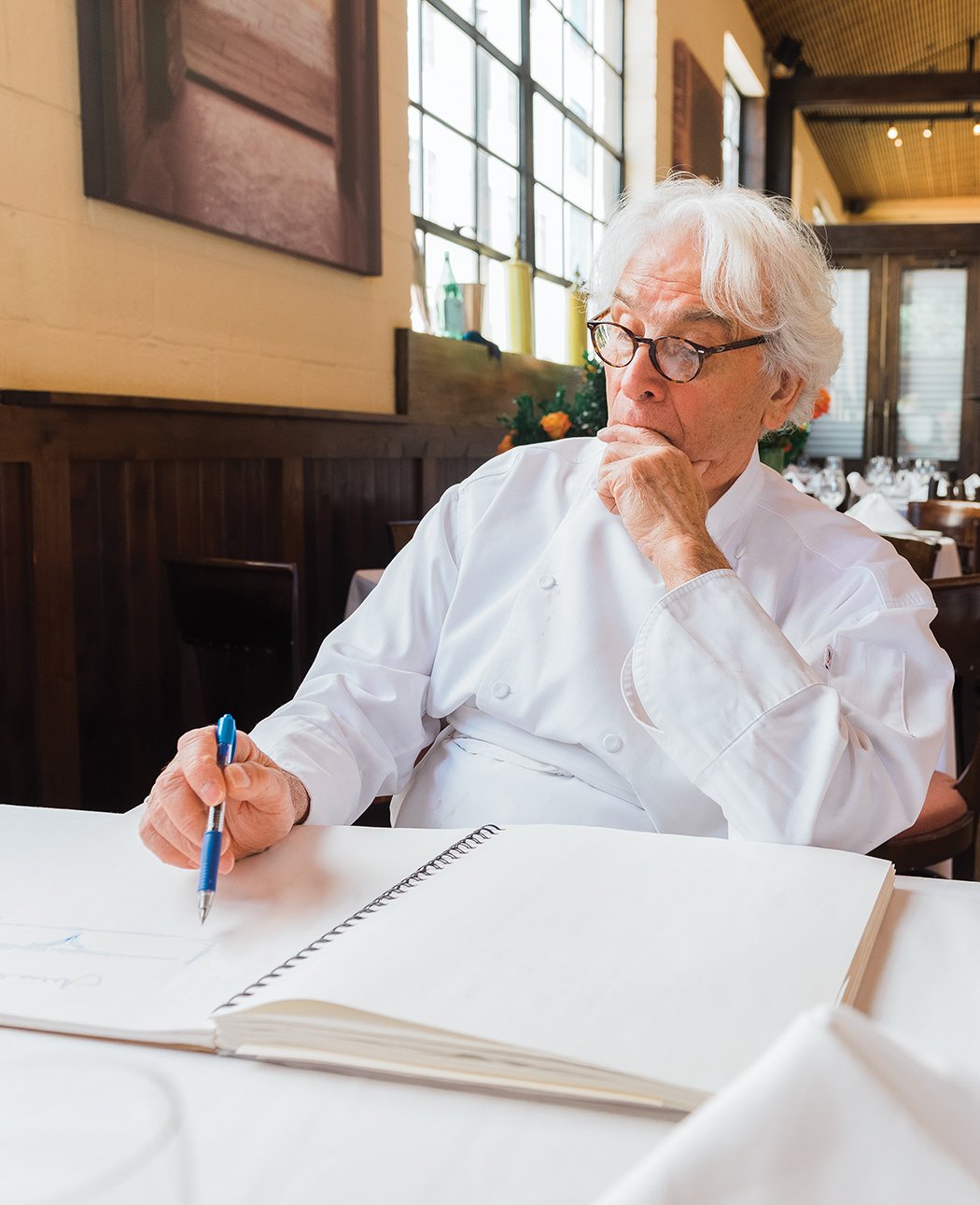
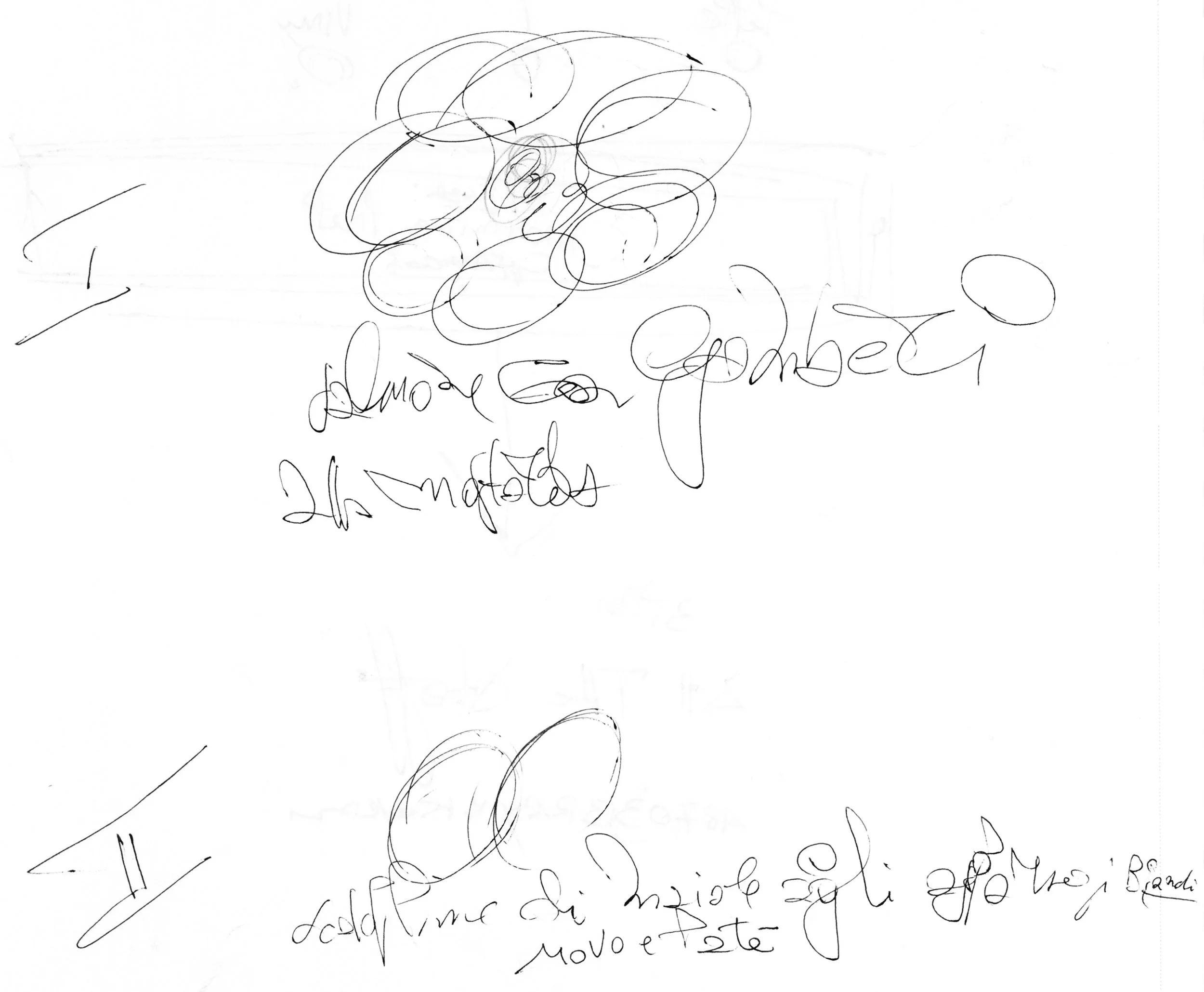
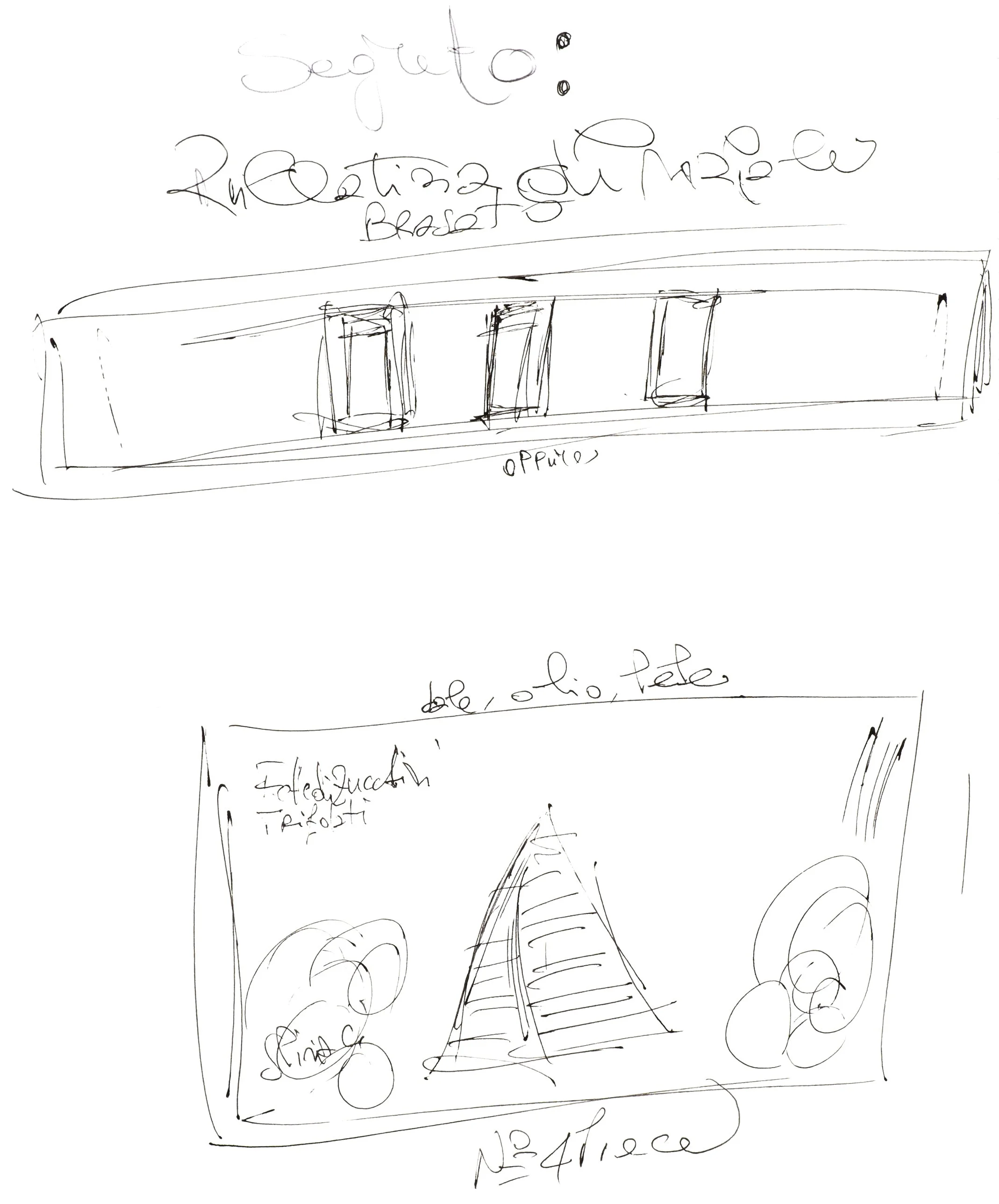
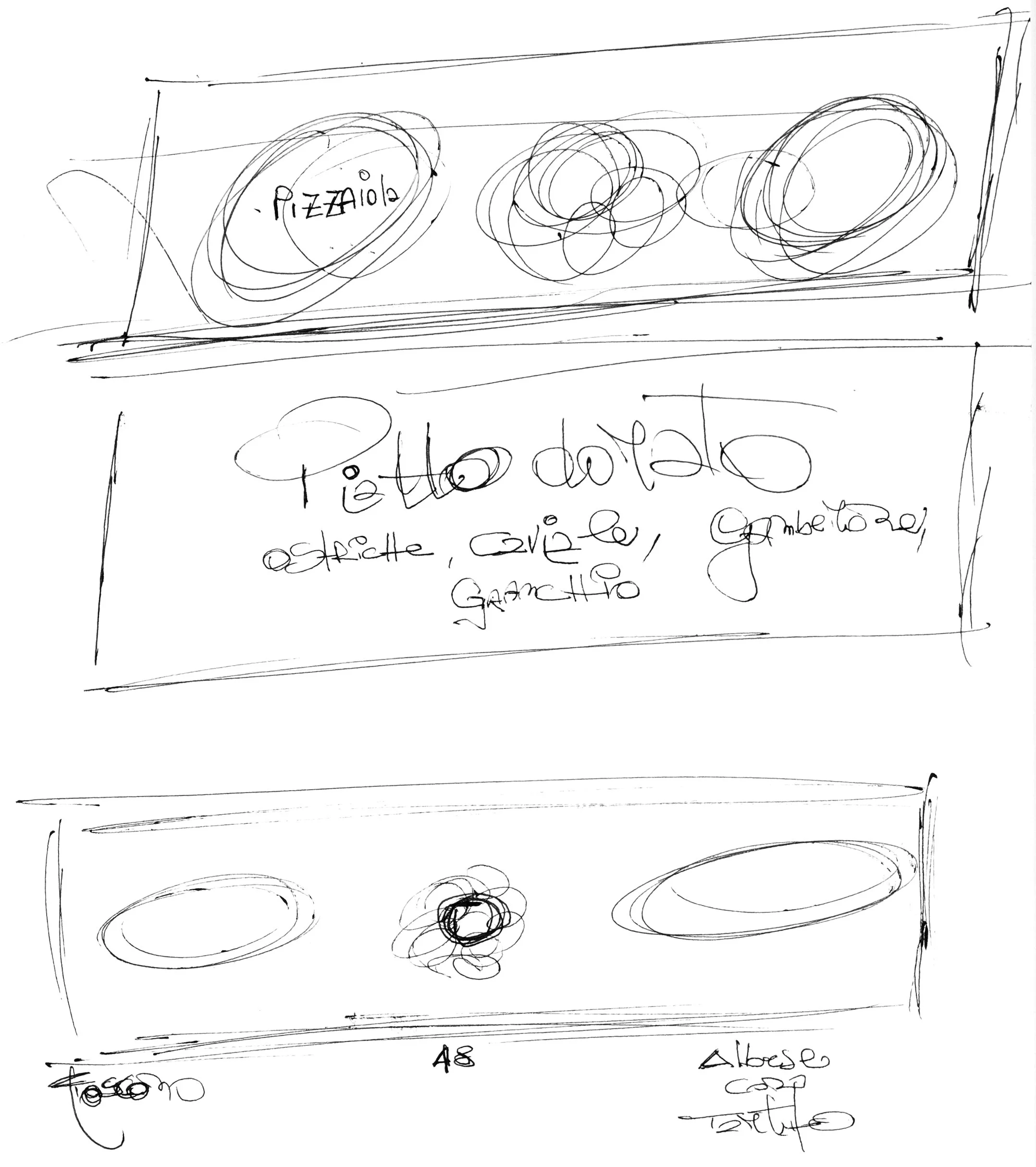
With his plate’s concept completed, it is served, and it does its magic. That is the table Valter demanded be set before his guests. It is routine at Valter’s Osteria to add one more culinary aesthetic to the night and that is presentation. The plate was his canvas and was as important to Valter as the cuisine sitting there. The night is never complete without table side-preparation where each server composes the food design in front of diners and sometimes cooks the food on the spot too.
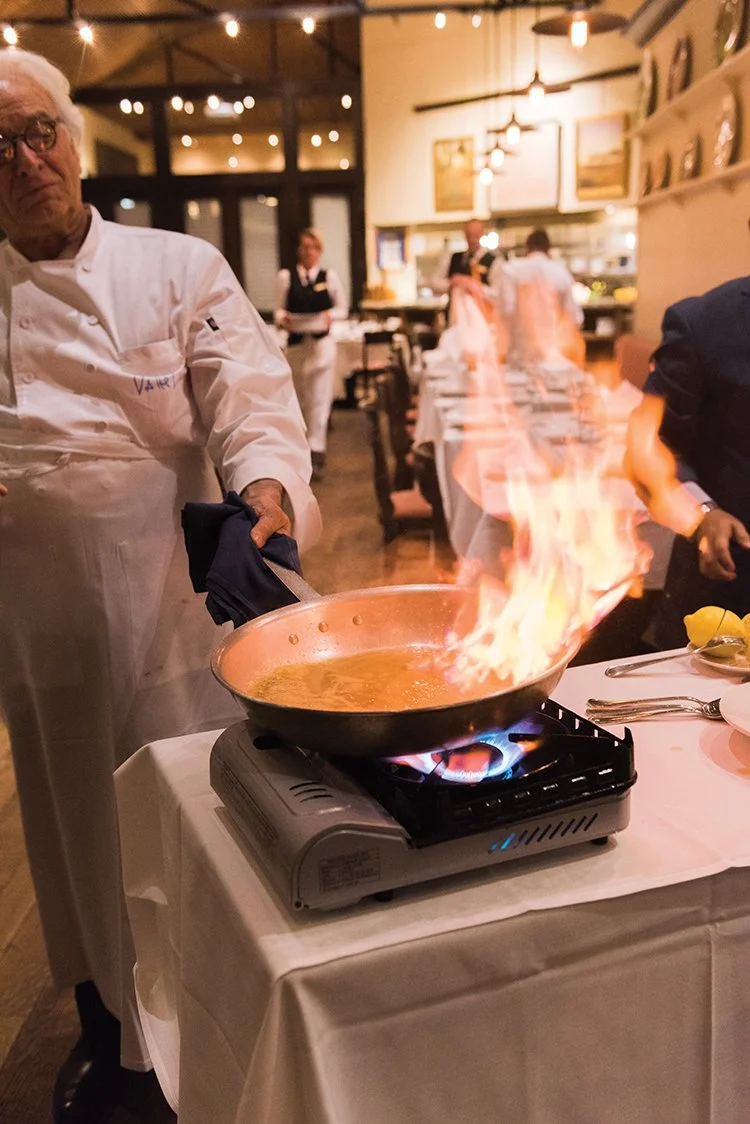
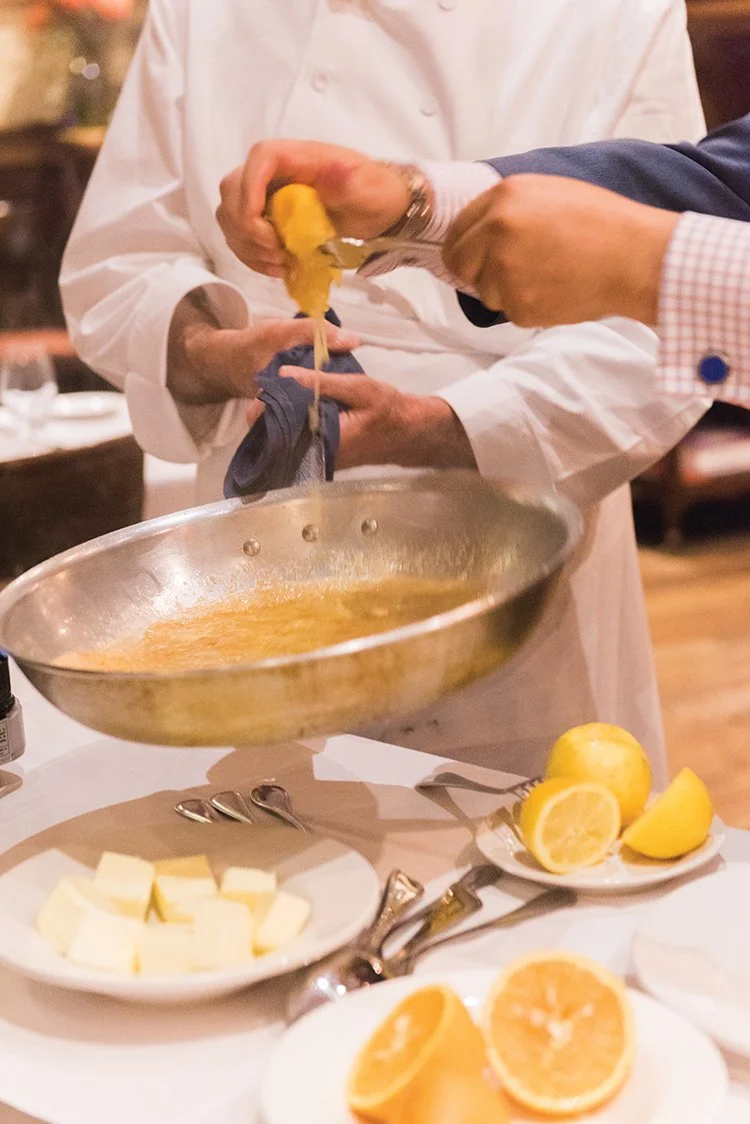
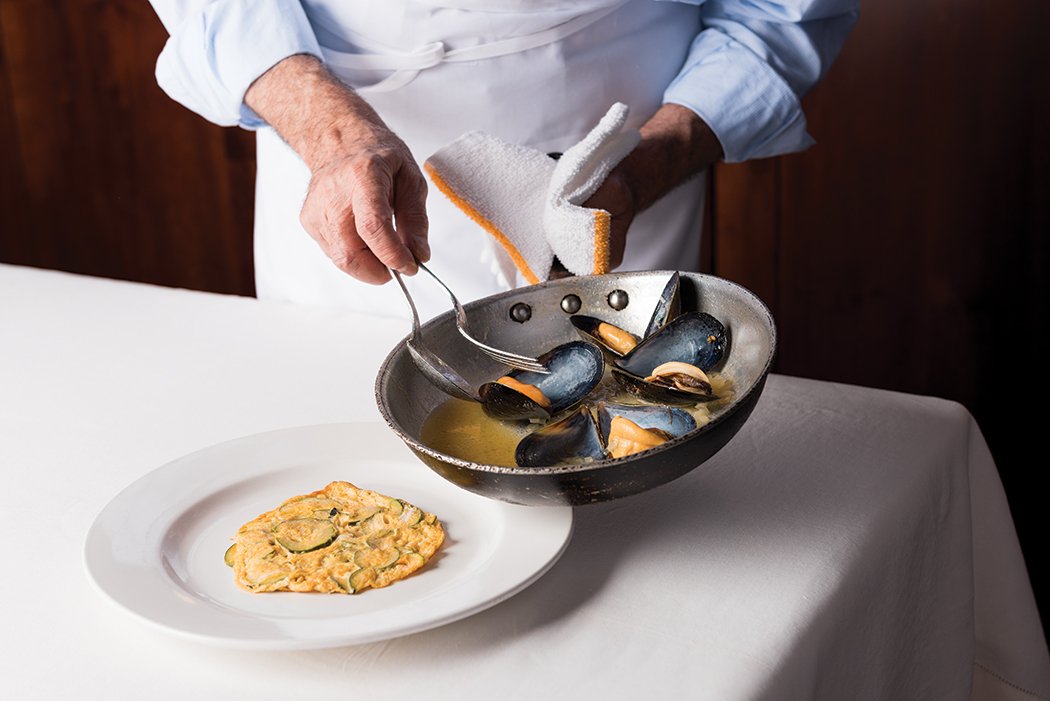
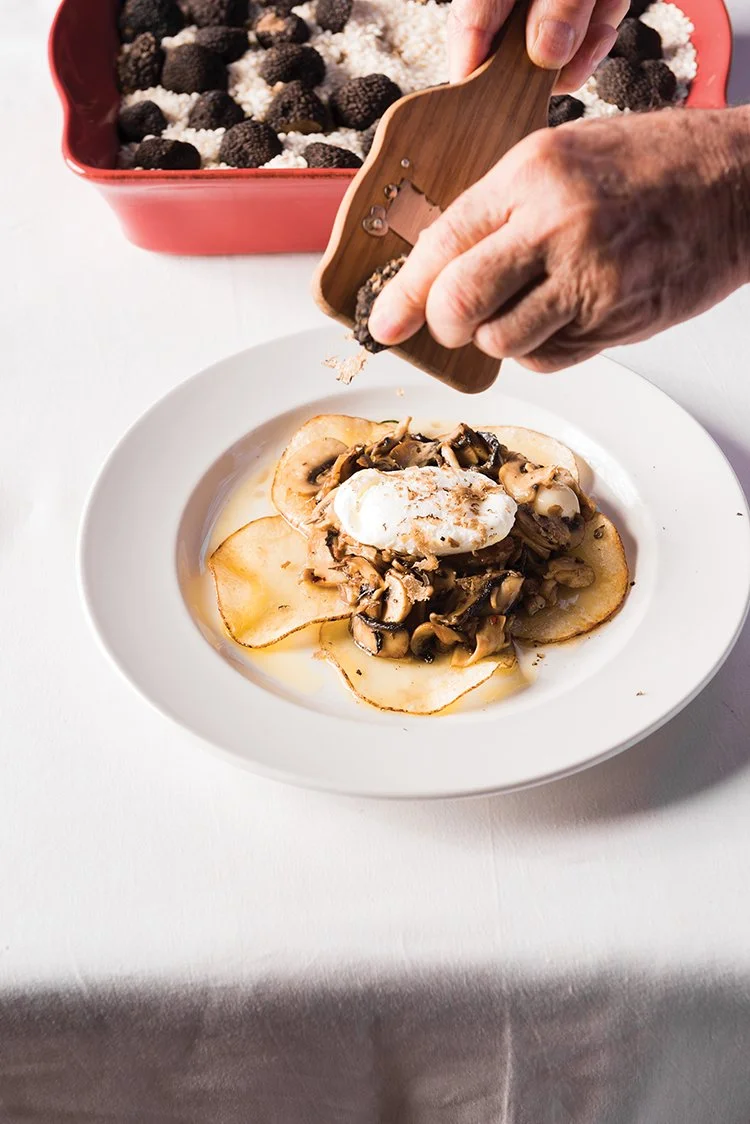
Finding the right ingredients and sketching a food blueprint for the canvas on the plate all personalized the night for his guests and brought them to the table where they would be mesmerized with a new experience to add to their repertoire of memories. His signature dishes were visual, sensory, artistic, thoughtful, and evocative.