

“FOOD FOR THOUGHT: The story of food is the story of life” - An inside look at Valter’s food philosophy
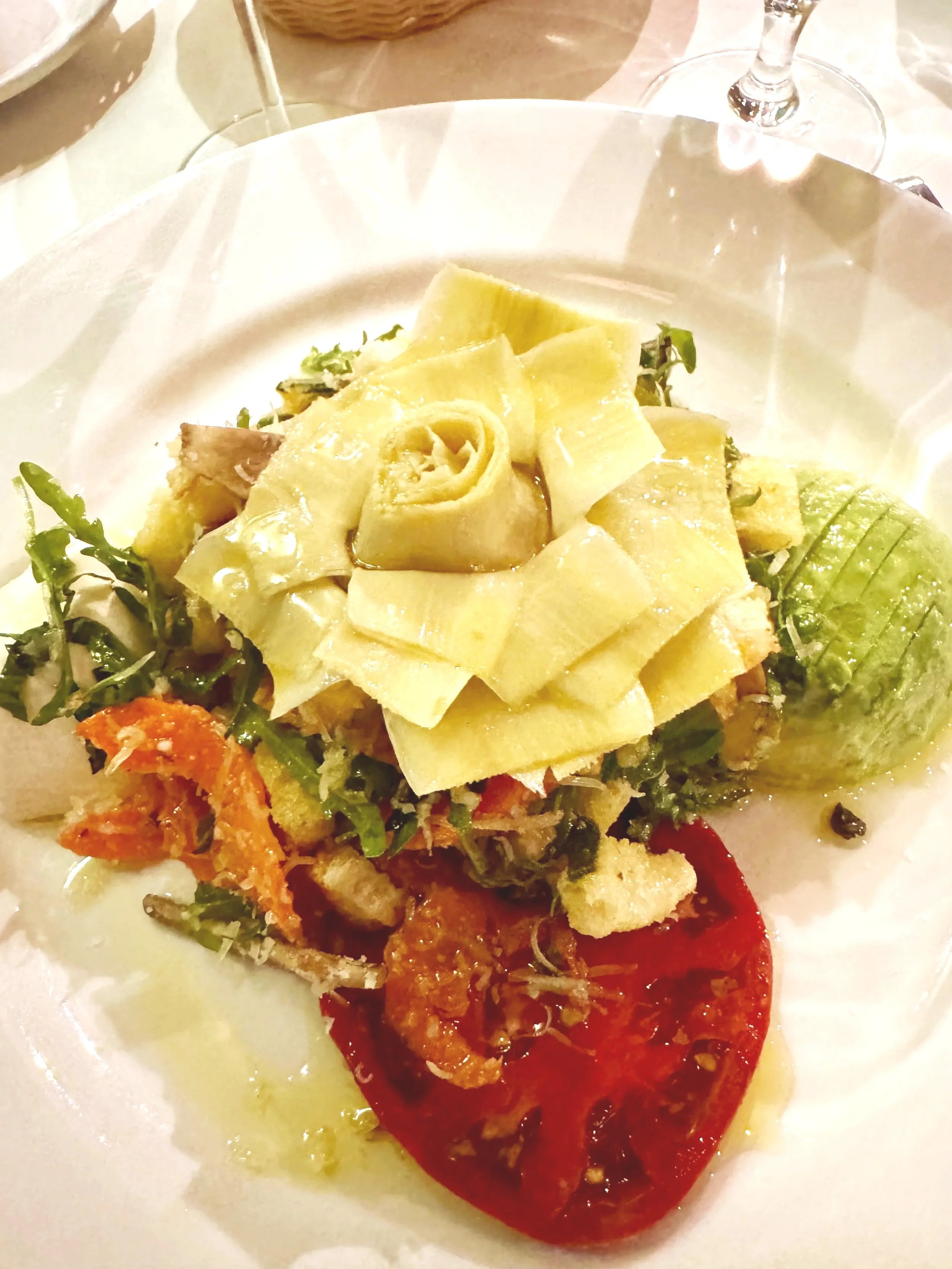
Artichoke, avocado, tomato chopped salad
Valter of Salt Lake City: The Magic of the Table traces chef Valter Nassi’s life and travels, from growing up in Monte San Savino, Italy, to his many international stops along the way. It explores his culinary journey from Tuscany to Salt Lake City, Utah, and the fifty + years in-between of traveling the world over, tasting and seeing and thinking about food, ending in developing his signature Tuscan cuisine. At the heart of the book, and the reason for its conception, is his food philosophy -
The Story of Food: For Valter the story of food is the story of life - ingredients, measuring, instructions, following a recipe are all part of a process but the essence of food is its history, evolution and most importantly what happens around it. Yes, of course, we dine to nourish ourselves, but his mind’s eye sees the most important role of food as its transformative power of appearance, smell, taste, texture and the human connection.
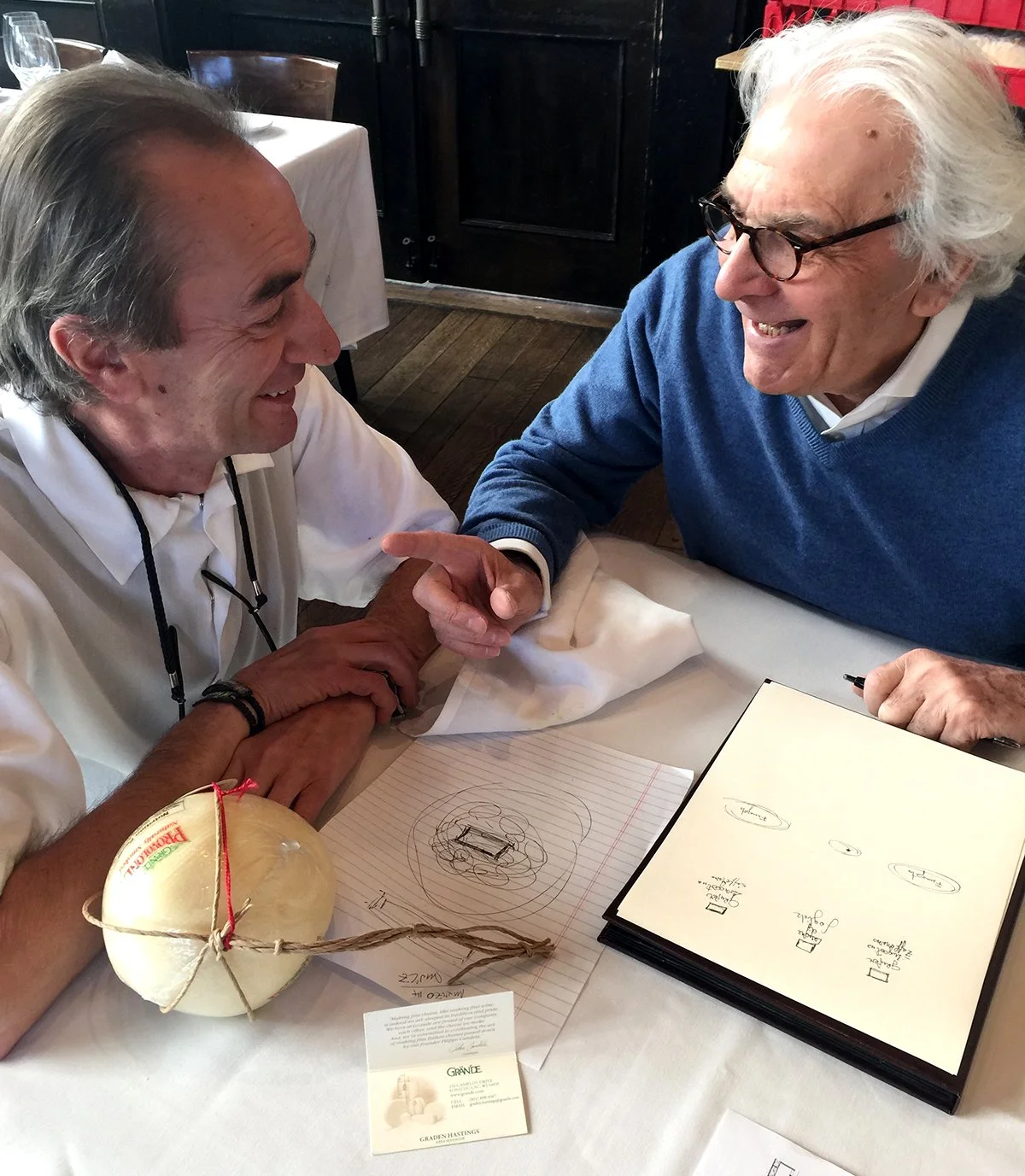
The Meal - according to Valter: A meal has a history before it appears on the table. Consider the layers of hands in the production of a single eggplant baked in tomato sauce with melted mozzarella and its extent of preparation from soil, to planting, to harvesting, to choosing the right eggplant at the grocery store, and to creating the meal. Imagine how a simple baked onion, treated and cooked with knowledge and passion, brings delight to the table and has the ability to transform us on the spot.
Art on a Plate - Think of food on a plate as a panorama. Before you even take a bite, you are caught in its expansive vista of color, texture and smell. It is vibrantly unfolding before you, telling its story from earth to table, sharing its history—its logic of ingredients, flavors, color, and complexity. The magic of a meal, plated in a surprisingly creative way, lies in the intricacy of color and taste, whether it be a vegetable or a fruit or protein, sitting harmoniously together in front of you at the table, drawing you in, and stopping your conversation on the spot. The job of “art on a plate” is to make people happy. It represents the point of conversation at the table because food presentation is personal. It cannot be prepared without passion, and it cannot be enjoyed without its audience. What follows is the magic of the experience, the telling of stories and the building of memories. That’s where life’s experiences and food’s power come together. If accomplished artistically—but not too fancy—its power transforms you.
Food as Noble: Nobility is an important concept for Valter’s approach to food. Think of how food- sustains life from the minute it is planted to the minute it is eaten. Food deserves respect—from a simple bean to a complicated lobster. It is not necessary to eat caviar every day to feel the sophistication of food. Therein lies the spiritual and philosophical strength of food, hence its nobility. Food’s intricacy must be contemplated because food is the tie to all humanity, filling the evening meal with love.